FULL STACK WEB DEVELOPMENT
Embark on a transformative journey into the world of web development with our Full Stack Web Development Bootcamp! This comprehensive program is designed for aspiring developers who want to build robust, dynamic web applications from the ground up.
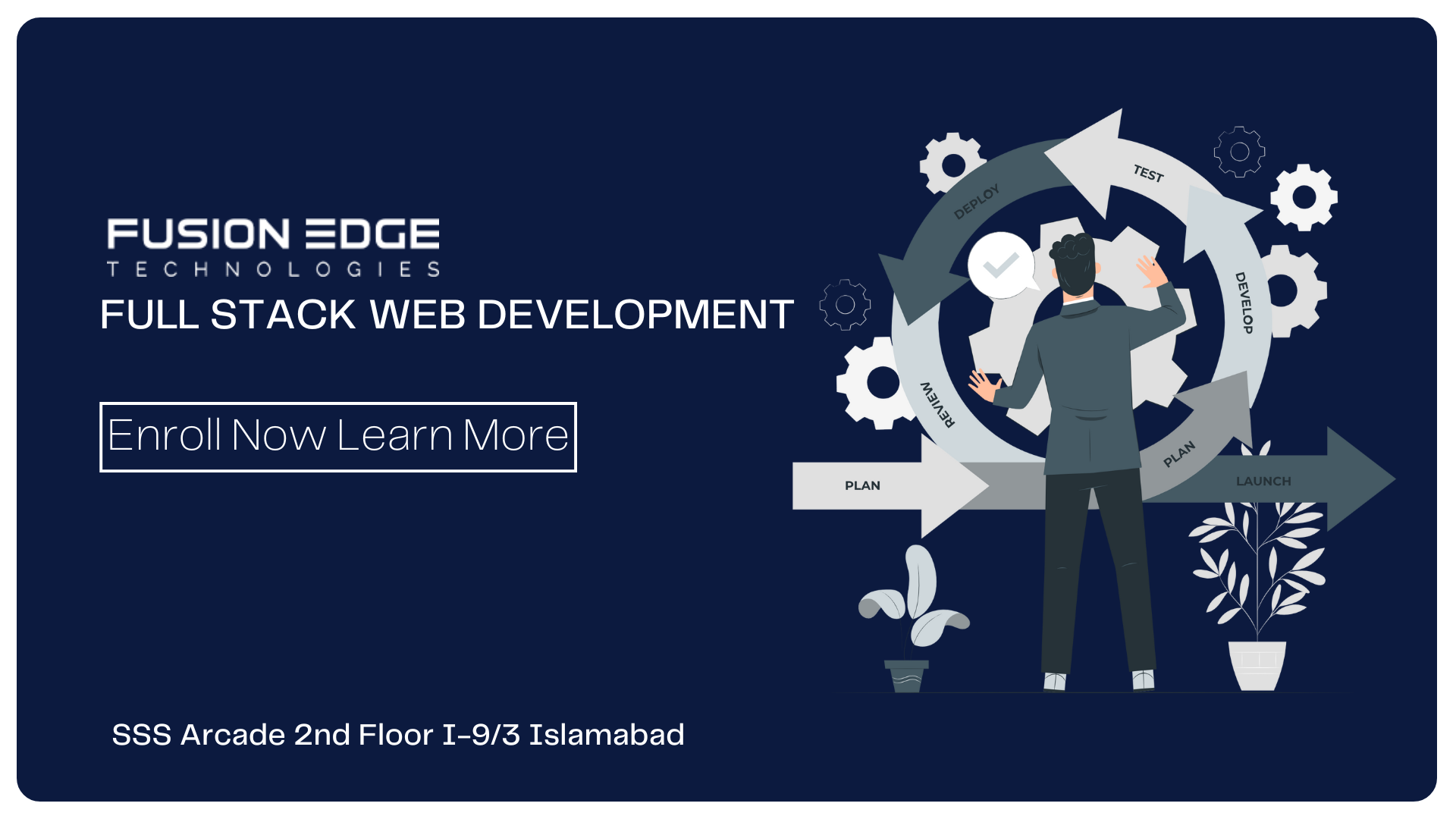
The Full Stack Web Development Bootcamp is an intensive program designed for individuals aspiring to become proficient web developers. This course provides a comprehensive understanding of both front-end and back-end technologies, equipping you with the skills necessary to build dynamic, user-friendly web applications. Whether you’re starting from scratch or looking to enhance your existing skills, this bootcamp offers hands-on experience and industry-relevant knowledge to help you succeed in the tech world.
Course Objectives
By the end of this bootcamp, participants will:
- Understand Web Fundamentals: Grasp the core concepts of web development, including how the web works, web protocols, and basic programming principles.
- Master Front-End Development: Build interactive and responsive user interfaces using HTML, CSS, and JavaScript.
- Explore Modern Frameworks: Gain hands-on experience with popular front-end frameworks like React, Angular, or Vue.js.
- Develop Back-End Skills: Learn server-side programming with Node.js and Express, and manage databases using MongoDB or SQL.
- Create and Consume APIs: Understand how to build and integrate APIs for seamless data exchange between front-end and back-end.
- Implement Authentication and Security: Learn best practices for user authentication, authorization, and securing web applications.
- Deploy Applications: Discover how to deploy web applications to cloud platforms and manage version control with Git and GitHub.
- Build a Portfolio: Create a portfolio of projects showcasing your skills to potential employers.
Target Audience
This course is ideal for:
- Beginners: Individuals with little to no prior programming experience who are eager to learn.
- Career Changers: Professionals from non-technical backgrounds looking to transition into a tech role.
- Developers: Those who want to expand their skill set by learning full stack development.
- Entrepreneurs: Individuals looking to build their own web applications or start a tech-related business.
Course Structure
The bootcamp is divided into several modules, each focusing on key aspects of full stack web development. Below is a detailed breakdown of the course modules:
Module 1: Introduction to Web Development
Key Topics:
- Overview of web development and the role of a full stack developer.
- Understanding how the internet works: servers, clients, and protocols.
- Introduction to web browsers and development tools.
Activities:
- Set up your development environment.
- Create your first static webpage using HTML and CSS.
Module 2: Front-End Development Fundamentals
Key Topics:
- HTML: Structure of web pages, semantic elements, and forms.
- CSS: Styling techniques, layouts (Flexbox and Grid), and responsive design.
- JavaScript: Basics of programming, DOM manipulation, and event handling.
Activities:
- Build a responsive webpage that adapts to different screen sizes.
- Create interactive elements using JavaScript.
Module 3: Advanced Front-End Development
Key Topics:
- Front-End Frameworks: Introduction to React, Angular, or Vue.js. Understanding component-based architecture.
- State Management: Managing application state using libraries like Redux (for React).
- APIs in Front-End Development: Fetching data from external APIs and displaying it on the UI.
Activities:
- Develop a single-page application (SPA) using your chosen framework.
- Integrate a public API to fetch and display data.
Module 4: Back-End Development Fundamentals
Key Topics:
- Node.js: Introduction to server-side JavaScript and its architecture.
- Express.js: Creating web servers and APIs using Express.
- Database Management: Understanding databases, CRUD operations, and introduction to MongoDB or SQL.
Activities:
- Build a RESTful API using Node.js and Express.
- Connect your API to a database and perform basic CRUD operations.
Module 5: Working with Databases
Key Topics:
- MongoDB: Understanding NoSQL databases, data modeling, and queries.
- SQL Databases: Introduction to relational databases, SQL syntax, and basic queries.
- Database Integration: How to connect your web applications to databases.
Activities:
- Create a simple application that interacts with both MongoDB and SQL databases.
- Design and implement a data schema for your application.
Module 6: API Development and Integration
Key Topics:
- Building APIs: Creating secure RESTful APIs and understanding API documentation (e.g., Swagger).
- Authentication and Security: Implementing user authentication (JWT, OAuth) and securing your APIs.
- Error Handling and Validation: Best practices for error handling and data validation.
Activities:
- Develop a fully functional API with user authentication.
- Implement security features to protect user data.
Module 7: Deployment and DevOps Basics
Key Topics:
- Deployment Strategies: Understanding the process of deploying applications to cloud platforms (e.g., Heroku, AWS, Vercel).
- Version Control with Git: Introduction to Git and GitHub for managing code and collaboration.
- Continuous Integration/Continuous Deployment (CI/CD): Basics of automated testing and deployment workflows.
Activities:
- Deploy your web application to a cloud service.
- Set up a Git repository and manage your codebase.
Module 8: Final Project and Portfolio Development
Key Topics:
- Bringing it all together: Best practices for project management and documentation.
- Creating a portfolio: Showcasing your projects and skills to potential employers.
- Preparing for interviews: Common interview questions and coding challenges.
Activities:
- Work on a capstone project that incorporates front-end and back-end technologies.
- Present your project to peers and receive feedback.
Course Format
- Duration:12 weeks
- Format: Physical Classes, with a mix of self-paced modules, Physical sessions, and hands-on projects.
- Materials: Access to a variety of learning resources, including video lectures, coding exercises, quizzes, and assignments.
Assessment
Participants will be evaluated through:
- Quizzes: Weekly quizzes to assess understanding of the material.
- Projects: Hands-on projects that apply what you’ve learned.
- Final Capstone Project: A comprehensive project that showcases your skills and knowledge.
Certification
Upon successful completion of the course, participants will receive a Certificate of Completion in Full Stack Web Development. This certificate serves as a testament to your skills and can enhance your job prospects in the tech industry.
Additional Resources
Participants will have access to:
- Community Forum: Engage with fellow students and instructors, share experiences, and collaborate on projects.
- Mentorship Opportunities: Connect with industry professionals for guidance and career advice.
- Ongoing Learning: Access to additional resources, webinars, and updates on the latest technologies in web development.
Why Choose This Course?
- Expert Instructors: Learn from experienced developers who bring real-world insights and practical knowledge.
- Hands-On Experience: Gain practical skills through projects that simulate industry scenarios, helping you build a strong portfolio.
- Career Support: Benefit from career services, including resume building, interview preparation, and job placement assistance.
ASP.NET SOFTWARE DEVELOPMENT
Master web application development with our ASP.NET Software Development Course, covering essential skills for building scalable, modern applications.
WORDPRESS WEB DESIGNING
Unlock your creativity with our WordPress Web Designing Course, where you'll learn to build stunning, responsive websites without any coding experience!
WEB DEVELOPMENT
Learn to create dynamic and interactive websites from scratch with our Web Development Course, covering essential technologies like HTML, CSS, JavaScript, and more!